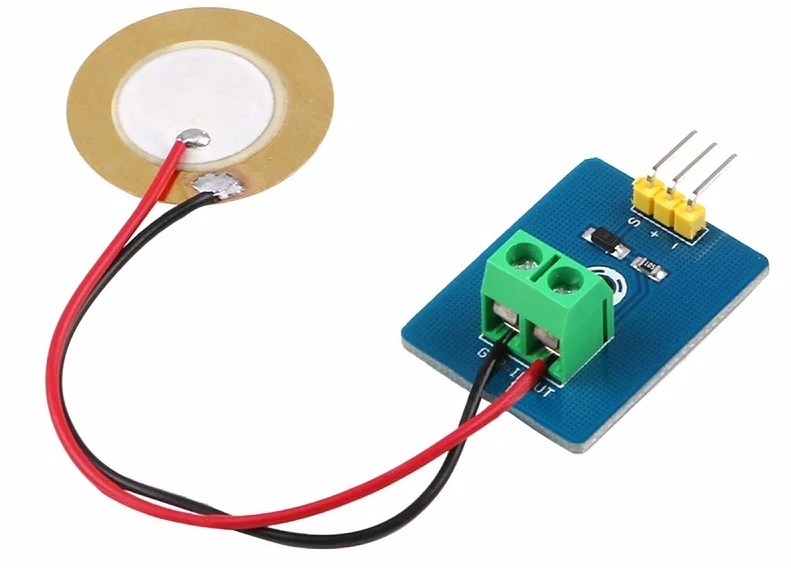
This Analog Piezoelectric Ceramic Vibration Module buffers a piezoelectric transducer that responds to strain changes by generating a measurable output voltage change which is proportional with the strength of vibration also known as ‘piezoelectric effect’. So you can know the extent of vibration. Different from digital vibration sensor that only accounts times, this analog one can tell extent of vibration.

When the piezoelectric ceramic shocking will generate an electrical signal, controller analog port can be perceived slight vibration signals, also can be realized with vibration interactions related works, such as electronic drums. The output voltage is proportional to the strength of shock or vibration. So you can measure and characterize the vibration.
Features:
- Working Voltage: 3.3V or 5V
- Working Current: <1mA
- Operating Temperature Range: -10 ℃ ~ + 70 ℃
- Interface Type: Analog Output
- Dimension (mm): 30 (L) x 23 (W) x 17 (H)
- Weight: 5g
Pin definition:
- S: output signal from the sensor (connected to arduino analog input)
- +: Voltage supply (VCC = 3.3 – 5)
- –: Ground (GND)

How to Use:
To use a piezoelectric sensor is easy, just connect the positive and negative terminal to your module and press the top of sensor. By pressing, due to mechanical pressure it creates voltage at output which is further feed to the circuit. Connect the piezoelectric sensor, as shown in the video below.
Packing List:
- 1 x Analog Piezoelectric Ceramic Vibration Module
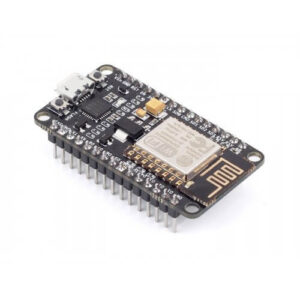
NodeMCU v2 ESP8266 Wifi Module ESP-12E Development Kit (With CP2102 Chip)
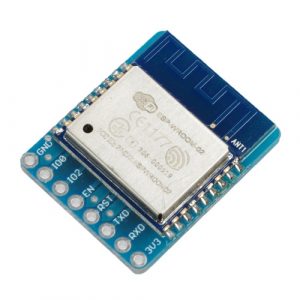
ESP8266 WROOM-02 With Breakout Board
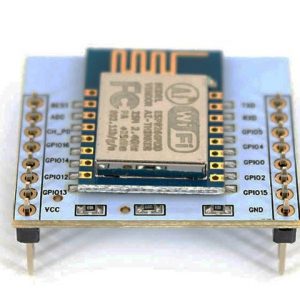
WiFi Serial ESP8266-12E _Breakout Board
WiFi Serial TTL Module ESP-01 – ESP8266
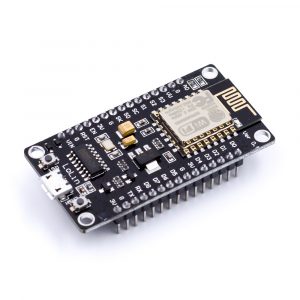
NodeMCU Lua V3 ESP8266 WIFI with ch340
Ai Thinker AiPi-CAM-D200 ESP32 CAM Development Board with Ai-M61-32S & GC2145 Camera Module
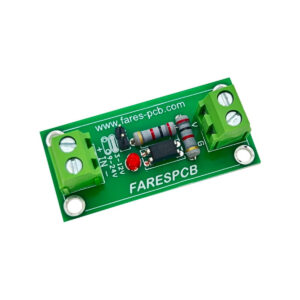
PC817 Optocoupler Isolation Module 1-Channel 


There are no reviews yet.